Rudolph: A Playful, Professional Display Font
What Is Rudolph?
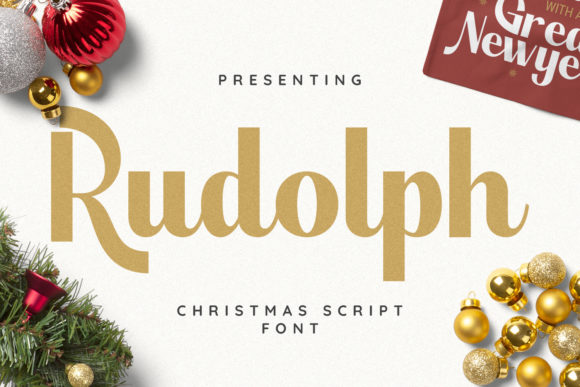
Rudolph is a bold, charismatic display font that balances whimsy and polish—ideal for projects demanding personality without sacrificing professionalism. With its clean yet expressive letterforms, subtle bounce in the baseline, and generous x-height, Rudolph stands out in crowded visual spaces while remaining highly legible. Whether you're launching a boutique brand or designing festive wedding invitations, this Display font delivers instant impact. If you're looking for a reliable Rudolph font download, you’ll find it widely available across trusted platforms—and yes, a Rudolph free download option exists for personal use. As a premium Display font, Rudolph bridges the gap between playful energy and typographic integrity, making it one of the most versatile additions to any modern designer’s fonts library.
Letterforms with Character
Rudolph’s uppercase letters feature confident, slightly rounded terminals and open apertures—enhancing readability at large sizes. The lowercase ‘g’ and ‘a’ carry a friendly, hand-drawn charm, while the consistent stroke contrast adds quiet sophistication. Unlike many novelty Display fonts, Rudolph avoids over-stylization, ensuring it remains functional across contexts.
Weight & Rhythm
Designed as a single, medium-heavy weight, Rudolph thrives in headlines and short-form text—not body copy. Its even rhythm and generous letter-spacing create natural breathing room, reducing visual clutter on posters or social media banners.
Spacing & Kerning
Thoughtful default kerning means Rudolph performs well out-of-the-box in Canva, Photoshop, and Word—but always test custom pairs like “AV” or “To” manually. Tighter tracking works beautifully for logo lockups; looser spacing shines in editorial headers.
Rudolph for logo design
Rudolph’s strong silhouette and distinctive ‘R’ make it an excellent choice for boutique logos, food brands, and lifestyle labels—especially where warmth and approachability matter. It scales cleanly from app icons to storefront signage.
Rudolph for branding
As a professional Fonts font, Rudolph anchors cohesive brand systems when paired with a neutral sans-serif for supporting text. Its voice is consistent but never generic—ideal for brands that want to stand out without shouting.
Rudolph for wedding invitations and cards
The font’s gentle bounce and refined curves lend elegance to formal stationery—think foil-stamped save-the-dates or minimalist RSVP cards. Pair it with a delicate serif for contrast, and it reads as both timeless and fresh.
Rudolph for posters and social media
Its high-impact presence ensures legibility in fast-scrolling feeds and crowded event posters. Try it in bold color-blocking layouts—it holds up beautifully against gradients and textured backgrounds.
Rudolph for packaging
From craft soda labels to artisanal candle boxes, Rudolph adds authenticity and shelf appeal. Its friendly authority reassures customers while distinguishing your product in competitive retail environments.
Font Pairing & Combinations
Knowing what fonts pair well with Rudolph helps unlock its full potential. For editorial layouts, try pairing it with Inter or Work Sans—clean, highly readable sans-serifs that let Rudolph shine as a headline anchor. For luxury or wedding work, Cormorant Garamond offers elegant contrast without competing visually. A third option: Playfair Display for high-end branding where both fonts share structural confidence but differ in tone. This kind of Rudolph font pairing creates hierarchy, balance, and narrative depth. Bonus tip: avoid other display or script fonts in the same composition—Rudolph commands attention and doesn’t need company of equal volume.
Licensing & Commercial Use
So, is Rudolph free for commercial use? That depends on your source. Many sites offer a free version strictly for personal use—perfect for student projects or mood boards. However, for client work, merchandise, or digital products, you’ll need the official Rudolph commercial use license. Always review the Rudolph font license before deploying: some bundles include extended rights for unlimited projects, while others restrict usage to single-client deliverables. When in doubt, purchase directly from the foundry or a verified marketplace like CreativeFabrica to ensure legal compliance and access to updated files.
How to Download & Use Rudolph
To get started, a download Rudolph font free option is available on select platforms—but verify licensing terms before use. Reputable sources include CreativeFabrica (for licensed versions), FontSquirrel (for open-license variants), and select independent font retailers. Once downloaded, install the .OTF or .TTF file system-wide. Then, how to use Rudolph in Canva: upload it via Brand Kit > Upload Fonts. In Photoshop or Illustrator, it appears in your type menu after restarting the app. In Word, install first—then select it from the font dropdown. Pro tip: convert to outlines before final export if sharing files externally.
Designer Notes & Tips
Before committing Rudolph to a final layout, test it in black-and-white at multiple sizes—its charm can fade in low-contrast settings. Also, preview tight line-spacing on mobile: while stunning at 48pt+, it tightens quickly below 24pt. When evaluating alternatives, consider Rudolph vs similar font options like Bangers (more aggressive) or Quicksand (softer, less structured). Rudolph sits confidently between them—bolder than Quicksand, friendlier than Bangers. And remember: while it’s a standout free Display font for Fonts collections, its real value emerges when treated as a premium Display font—curated, intentional, and purpose-built.